

Photo courtesy of The Ernest Warther Museum & Gardens staff.
The postcards displayed where one pays for entry into the Ernest Warther Museum & Gardens always caught my attention. These aren’t any common postcards though, they are some of the famous carver’s earliest pieces, blocks of wood with a message carved into one side and address on the other, complete with an intricately carved border design.
Most are addressed to his wife, Frieda. In a day and age when paper postcards were common, Ernest “Mooney” Warther could have dashed off a quick message by pen, but instead he took knife to wood and carved a message of connection letter by letter.
This memory came back to me recently when I watched the YouTube video The timeless analog habit that simplified my digital life (5:32 min), in which the creator, Henry, embarks on a journey of writing postcards in favor of texting.
“When I text, I rush and it's almost like I'm holding my breath underwater. But when I write someone by hand, I slow down. You have to. And I breathe,” Henry reports.
One might think of it as a form of pebbling, the practice of building connection through small, thoughtful gestures—like a quick text, sharing a meme, or bringing someone coffee—that say, “I’m thinking of you.”
Postcards give you an opportunity to slow down, be creative, and connect in a personal way.
Here are a few ideas to inspire you to write and send a postcard or two to someone you want to remind that you’re thinking of them. You can purchase unique designs or even make your own.
Postcards made of unique material
Wooden Postcards: Thin slices of wood (birch, maple, bamboo) printed or engraved with an image. You can write on the back with a marker and mail them with regular stamps.
Leather Postcards: Popular in the early 1900s in the U.S., made from thin pieces of leather with embossed or burned designs.
Metal Postcards: Aluminum or tin postcards with images stamped or printed on them.
Fiber Art Postcards: Quilters and textile artists sometimes sew small fabric pieces stiff enough to mail as postcards.
Seed Paper Postcards: Made of biodegradable paper with embedded flower or herb seeds that can be planted afterward.
Postcards with creative shapes and designs
Die-Cut Postcards: Shaped like animals, states, or famous landmarks.
Puzzle Postcards: Cards that can be broken apart into puzzle pieces and reassembled by the recipient.
Fold-Out Postcards: Contain an accordion of photos tucked inside.
3D Lenticular Postcards: Tilt them and the image changes or appears to move.
Transparent Postcards: Printed on acetate or plastic sheets with see-through effects.
Postcard DIY projects
Collage Postcards: Glue magazine cutouts, tickets, or scraps onto cardstock.
Hand-Painted Postcards: Paint mini originals (such as a plein-air painting).
Upcycled Postcards: Old cereal boxes, greeting card covers, or packaging cut to postcard size.
Photo Postcards: Some travelers print their own digital photos onto postcard paper to send personalized scenes.
Postcards with cultural and historical oddities
Silk Postcards: These are from the early 20th century, often embroidered silk mesh mounted on a postcard backing.
Coconut Postcards: In Hawaii, some shops sell coconuts painted with an address label that can be mailed without packaging! (Technically a “postal novelty” but often treated like a postcard).
Sound Postcards: In Eastern Europe (1950s–70s), thin vinyl postcards could actually play music on a record player.

Photo courtesy of The Ernest Warther Museum & Gardens staff.
Ernest “Mooney” Warther
When my family lived near Dover, Ohio, we often visited The Warther Museum where we encountered a breathtaking chronicle of steam power, hand-sculpted by Mooney Warther over more than four decades.
From the earliest experimental engines to the iconic Big Boy locomotive, each model is carefully carved using ebony, walnut, and ivory, assembled from thousands of individually cut and inlaid parts, none glued, and some even with working mechanisms. The gallery wraps around his original home and workshop, creating a space where art, engineering, and personal history converge in communal elegance.
Yet, with all the amazing things to explore from his tiny workshop to the beautiful gardens first planted by his wife Frieda, I’ve always been most taken with those personal pieces of connection in wood and the way he increased the social value of the community by how he lived.
Just as Mooney Warther’s wooden postcards carried love and presence across time, today’s postcards can do the same. They don’t need to be elaborate—just thoughtful. Postcards invite us to slow down, be intentional, and remind someone they matter. This week, send a postcard and spark a Golden Connection.
Golden Connection Challenge:
Write and send someone a postcard.
Share this blog with others to increase social value in the new year.
I’d love to hear about your experiences with a comment here or email me using the contact form.
Sign up today!
Stay connected
&
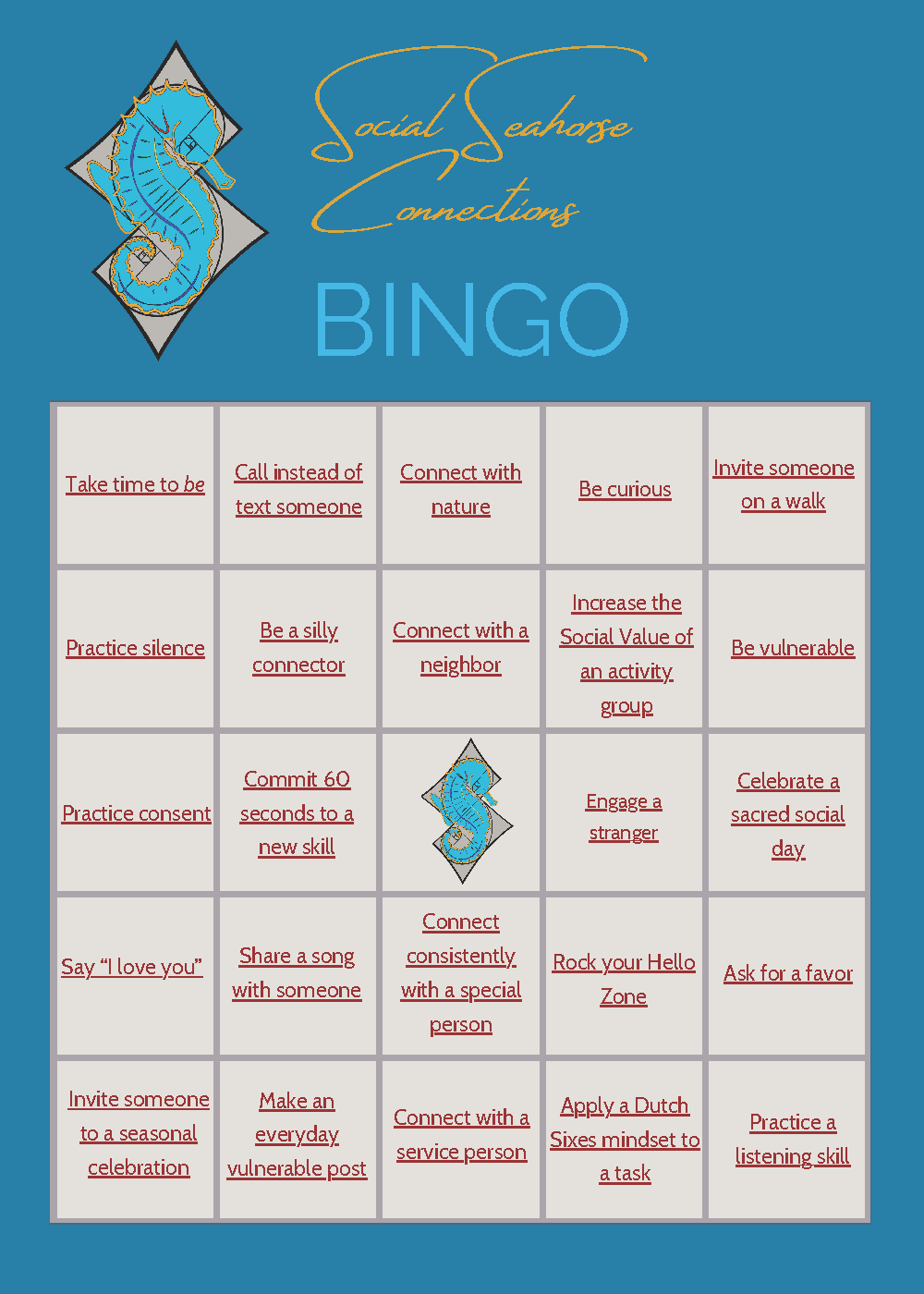
Get the Free
2025 Golden Connections
BINGO Card
How timely. I mailed 6 postcards yesterday!
Our family truly enjoys postcarding. I recently received some from France, when a relative traveled. Last week I bought some nice blanks to draw on and send. Great subject Lisa.
That’s awesome! I’d love to see the ones you draw and even share on the blog post if you don’t mind sharing with the world. Drawing your own was a missed category.